 Skip to content

Generate sustainable energy and produce green hydrogen
H2arvester
Circular agriculture comes in reach with H2arvester
H2arvester is a good example of a system innovation in which npk design was involved from the very start. H2arvester, literally ‘hydrogen harvester’, is a mobile solar panel system that generates sustainable energy. With its wealth of applications, H2arvester offers an interesting solution for a circular agricultural sector.
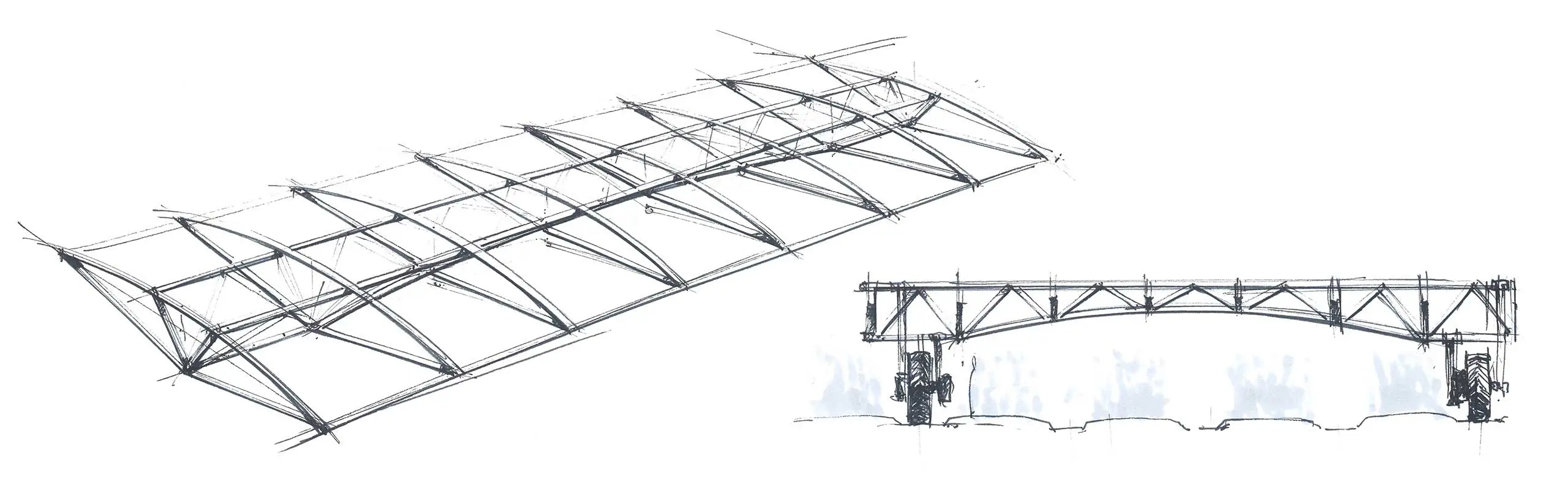
H2arvester
In 2017, the H2arvester idea won the RVO competition for the ‘Best idea for using solar power in the agricultural sector’. L’orèl Consultancy, npk design and LTO Noord are the inventors of the H2arvester system, with all the capabilities needed to conduct energy research, technical development and implementation. The three parties joined forces right from the start and believe that the system will make it easier for farmers to produce sustainable energy. And it’s wonderful to see it being taken on by more and more partners. Our idea has come true.
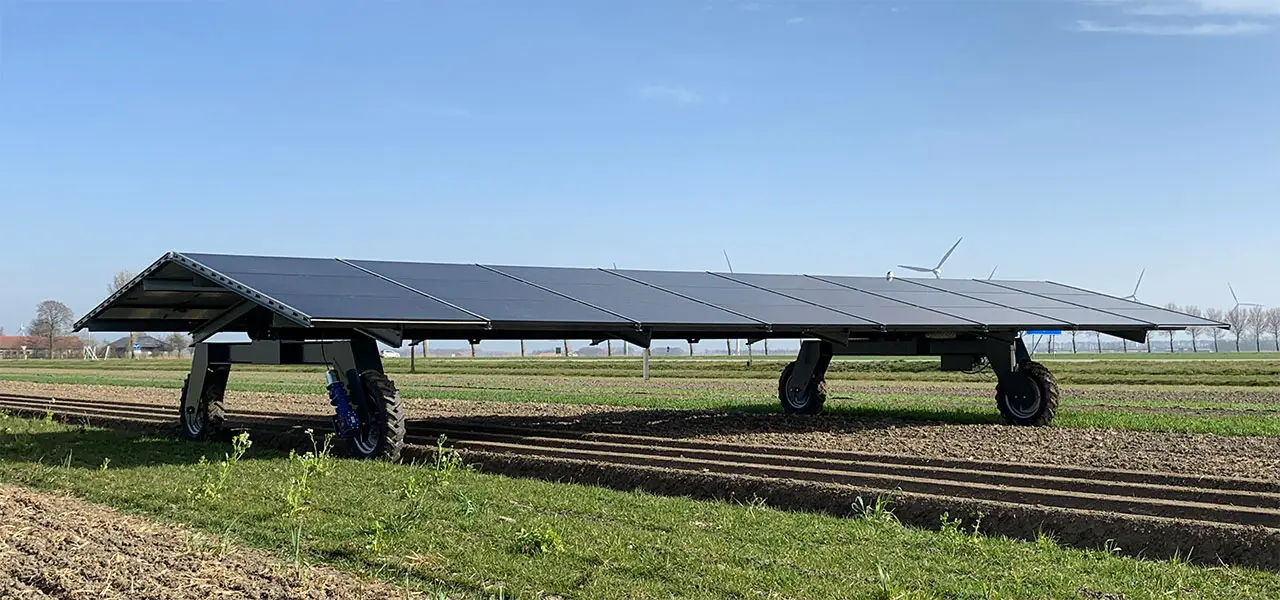
Prototyping and pilot study
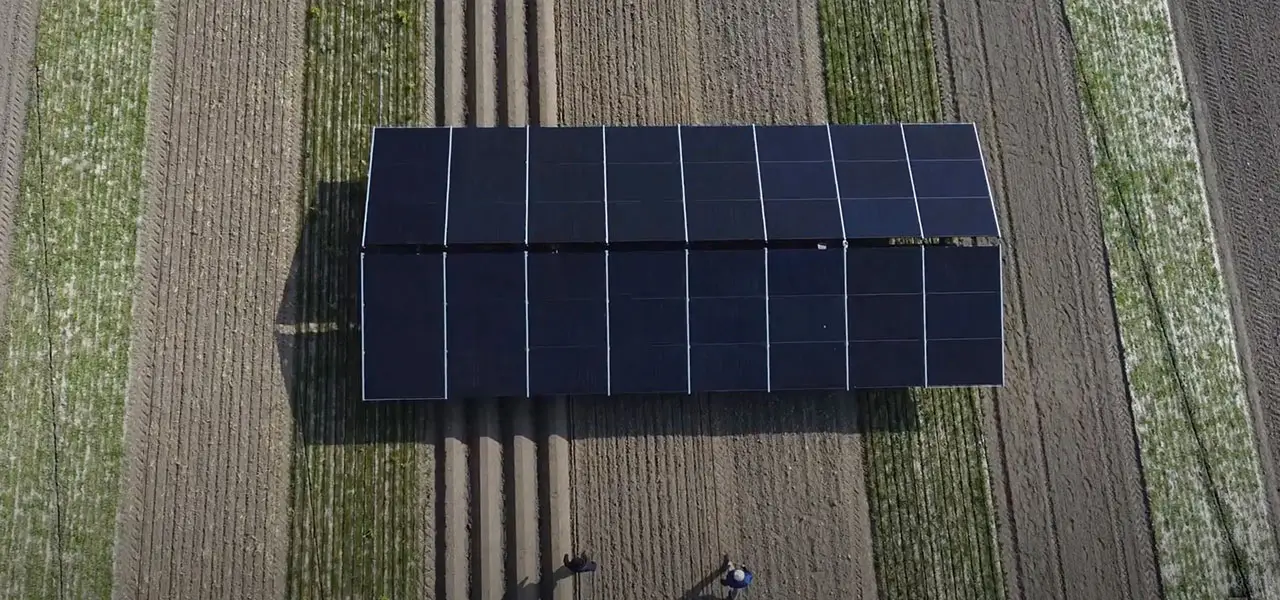
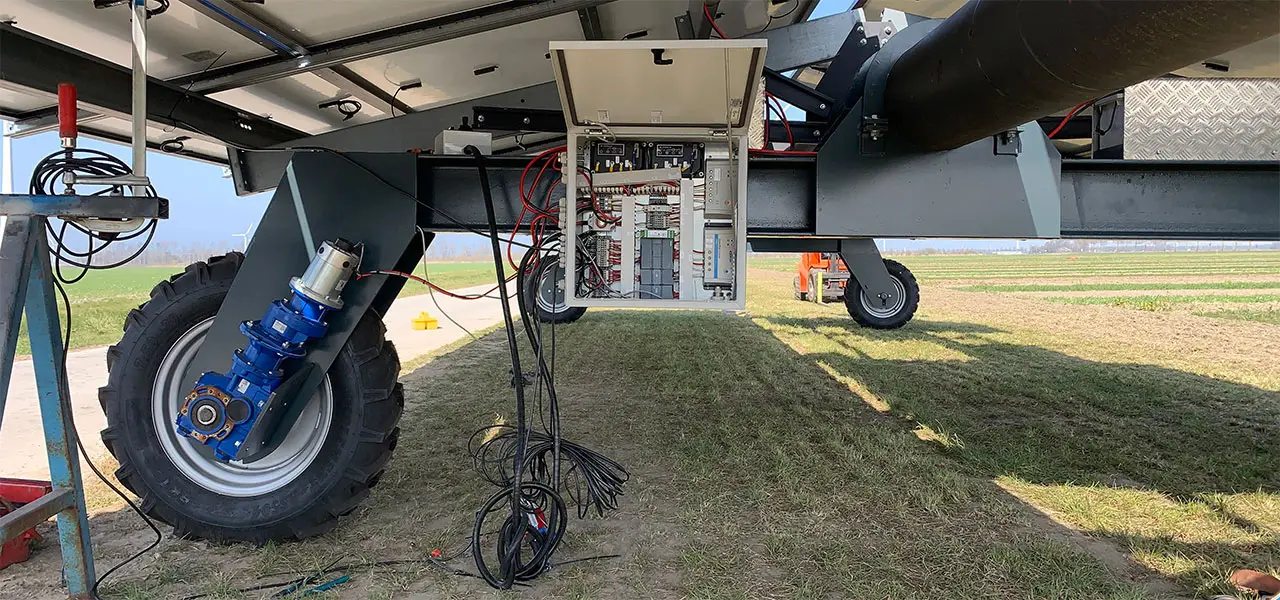
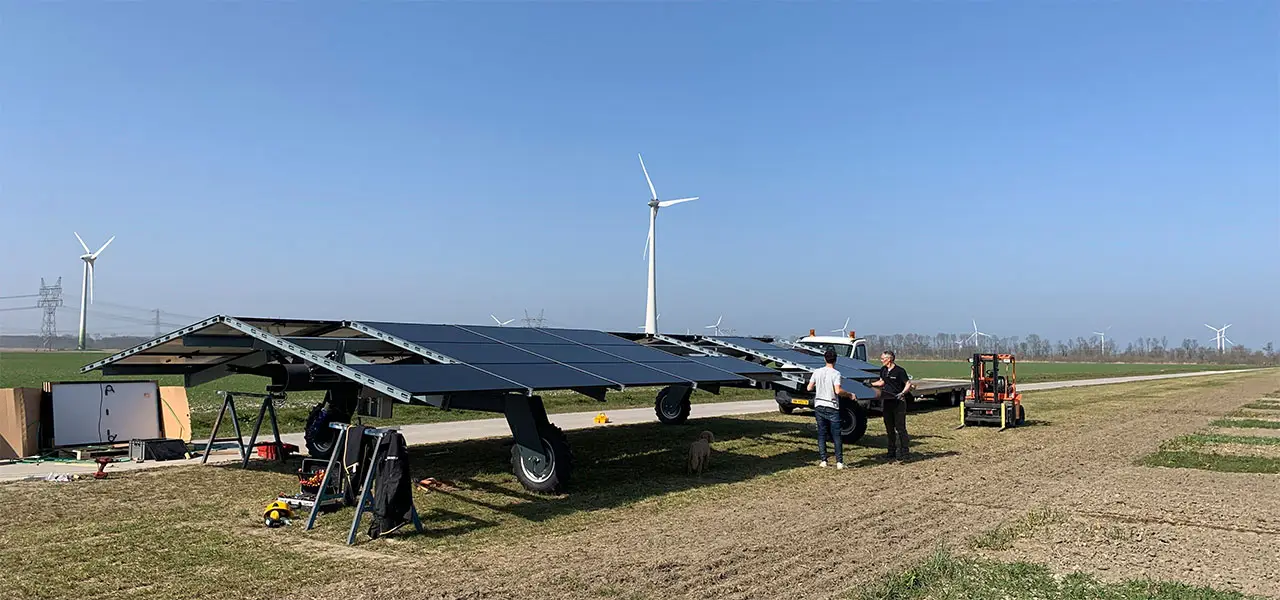
In 2021, we began building a prototype: a huge vehicle covered in solar panels. The next step has now also been taken. A few months later the first H2arvester solar vehicle started operating at Boerderij van de Toekomst [Farm of the Future] in Lelystad. And more of these will follow!
These large, self-driving vehicles equipped with solar panels drive slowly across the agricultural crop. The electricity they produce is sent to the farm, where it is used or converted into and stored as green hydrogen.
And this is more than just a test run for harvesting solar energy. During the pilot, Wageningen Plant Research is also conducting research into the effect of the solar vehicles on the crops and yield. The solar vehicle runs back and forth along planted strips in which four crops are growing.
H2arvester has the potential to be agriculture’s key contribution to the energy transition
Product innovation and product development
On the farm, an electrolyser is used to convert this solar power into green hydrogen and heat, which is then utilised locally. Research has shown that farmers can in any event cover their own energy needs and can almost certainly also supply energy to the village or nearby industry. The residual heat released from the electrolyser can be used to dry crops (grass, bulbs or potatoes), for example.